
Choosing the Right Olive Oil: Why Polyphenols Matter
The Mediterranean diet is constantly being ranked at the top for metabolic health, longevity, and anti-aging benefits. From lowering the risk of heart disease to supporting healthy weight and maintaining cognitive function, this way of eating consistently outperforms others — and a lot of that benefit comes down to olive oil.
But not all olive oils are created equal. This article explores how to choose the right olive oil to maximise its health benefits.
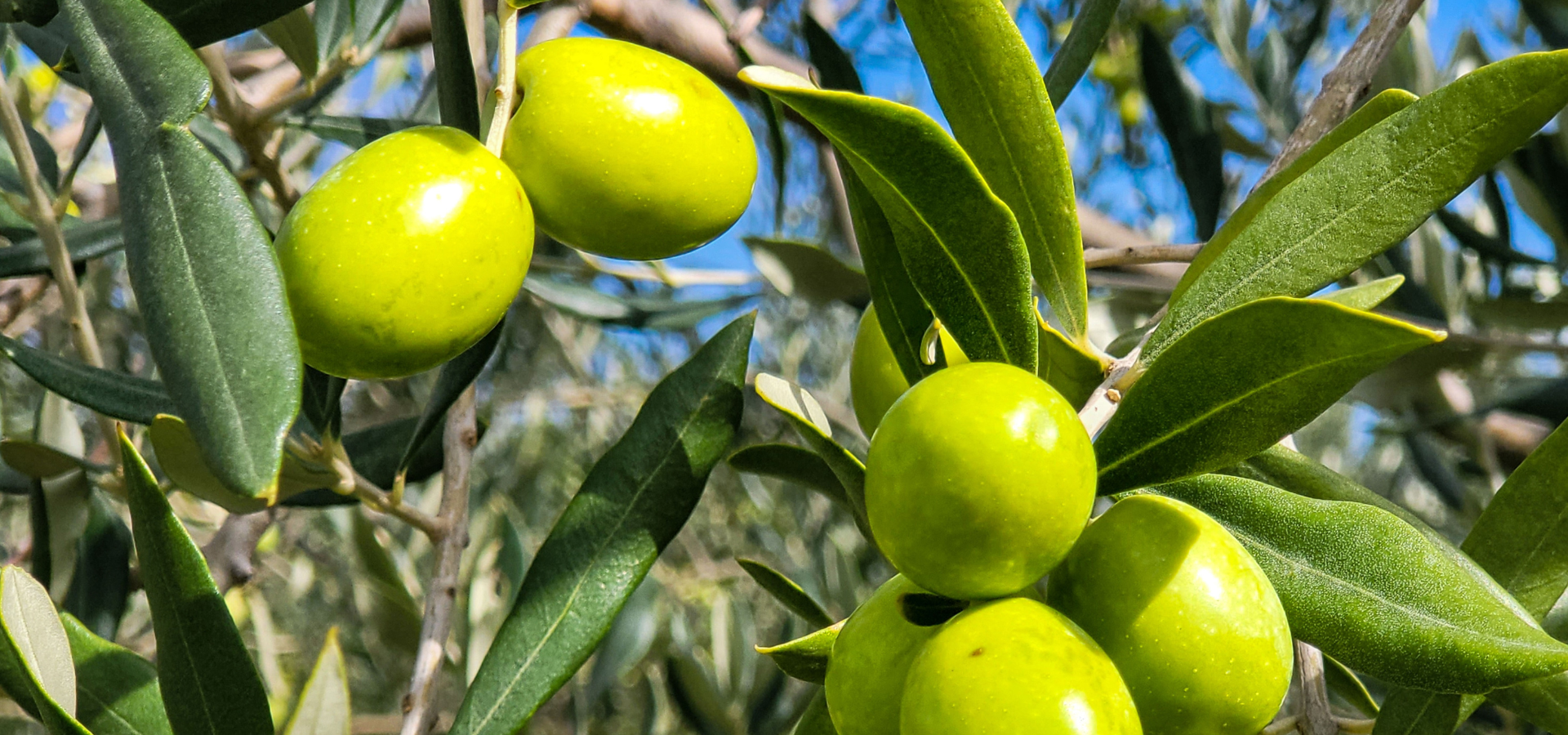
The power of polyphenols
Whilst all extra virgin olive oils (EVOO) provide healthy monounsaturated fats, the real magic comes from polyphenols. These are natural plant compounds that give high-quality oils their slightly peppery “kick” at the back of your throat and, more importantly, deliver powerful health benefits.
When you consume polyphenol-rich EVOO, these compounds stimulate your body to produce its own antioxidants, boosting your natural defence systems. This helps protect your cells from oxidative stress, a major driver of ageing, inflammation, and chronic disease.
But here’s the catch: most supermarket oils don’t contain enough polyphenols to provide these therapeutic effects. Even if oils start out with high levels of polyphenols, these compounds naturally degrade over time. This means that an oil claiming high polyphenol levels at harvest is likely to contain significantly less by the time it reaches your kitchen.
Standard EVOO still provide you with healthy monounsaturated fats, but not those anti-inflammatory cell-protecting benefits that most people are looking for when they buy good quality olive oil.
How to Choose a High-Quality Olive Oil
When shopping for olive oil, look for:
Extra Virgin status: Cold-pressed extraction preserves polyphenols, antioxidants, and natural flavour.
High polyphenol content: Ideally ≥400 mg/kg for health benefits.
Early harvest: Olives picked early in the season are richer in polyphenols.
Rapid processing: Quick pressing after harvest helps maintain antioxidants.
Protective packaging: Dark bottles or vacuum bags reduce oxidation.
Organic certification (bonus): Olives are grown naturally without synthetic pesticides or fertilizers, supporting sustainable farming practices.
There are several high-polyphenol olive oils on the UK market, some exceeding 1000 mg/kg. These include premium brands like Pamako Ultra High Polyphenol EVOO and November Polyphenols Early Harvest. However, these come with a high price tag (£25–£45 for 500 ml), making them less affordable for daily use.
One brand that stands out for me is Bona. To be clear, have no financial or commercial interest in this brand. Priced at £16 for 750 ml, this seems hit a sweet spot: It provides therapeutical polyphenol levels (~400 mg/kg), high quality, and affordability — making it an excellent choice for everyday consumption.
Bona’s key features:
Polyphenol content: ~400 mg/kg, within the therapeutic range.
Early harvest & rapid milling: Olives are picked green and milled within one hour of harvesting
Packaging: Vacuum-sealed to minimise oxidation - the polyphenol content on the label is what you get at home.
Affordability: Offers high-quality, high-polyphenol oil at a price lower than many premium brand alternatives.
Bottom Line:
Choosing the right olive oil can make a real difference to your health, but it doesn’t have to break the bank. Look for extra virgin oils with high polyphenols, early harvest, and protective packaging.
Wishing you happy exploring - your body (and taste buds) will thank you!