
7 Simple Ways to support Bone Health and Bone-Loving Recipes
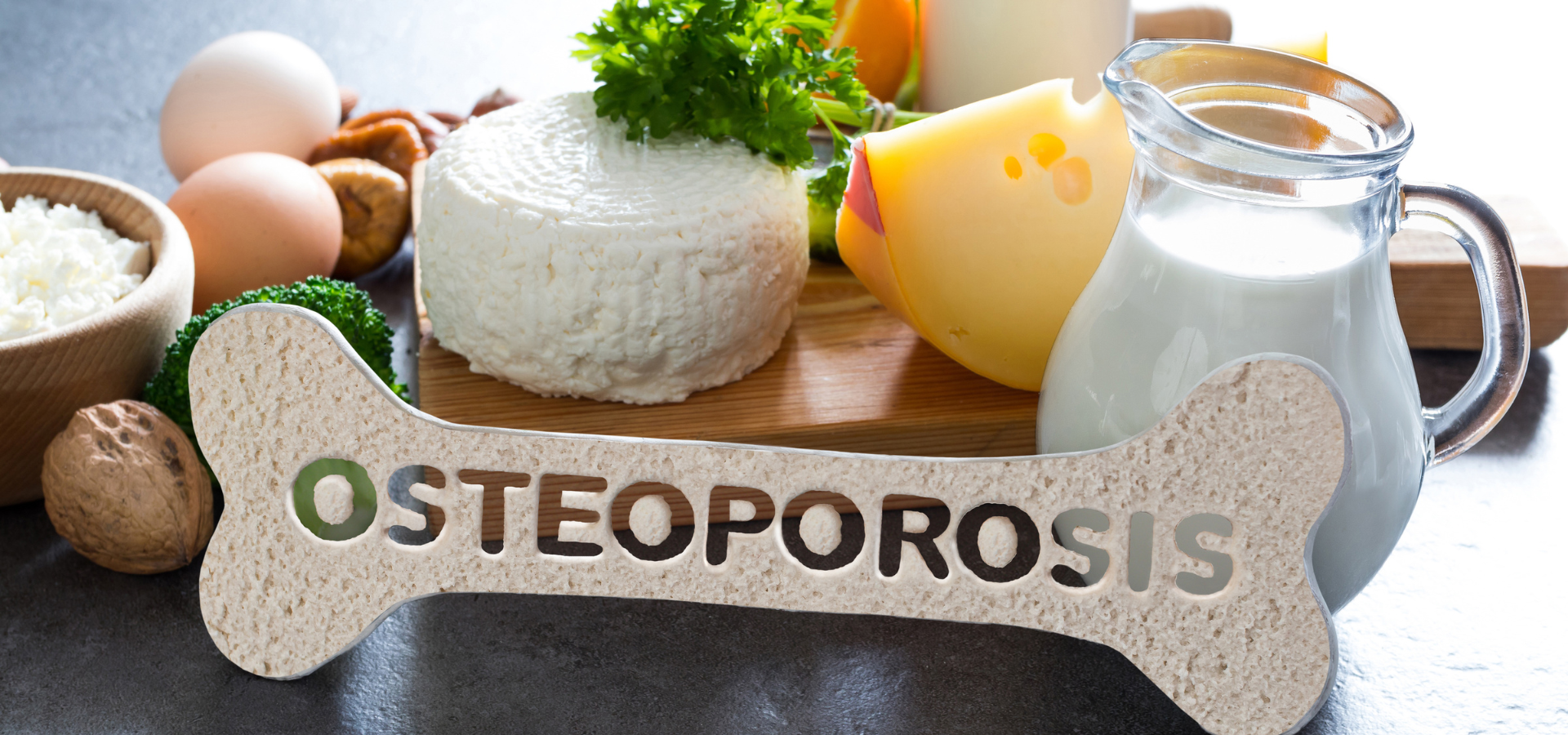
As June marks Osteoporosis Awareness Month, I thought it would be the perfect opportunity to talk about osteoporosis prevention and why looking after our bone health early on is so important - before problems arise.
Osteoporosis is often called a silent disease because bone loss can develop gradually over many years without symptoms, with the first sign often being a fracture after a minor fall.
As we age, our ability to build bone naturally declines — especially for women during perimenopause and menopause.
Around 1 in 3 women will develop osteoporosis during their lifetime and the average women loses up to 10% of her bone density in the first five years after menopause.
Certain health conditions, medications and nutritional deficiencies can also accelerate bone loss.
The good news is that there's a lot we can do to protect our bones before problems develop.
The bone remodelling cycle
Bone is not static. It is living tissue that is constantly being broken down and rebuilt in a process known as bone remodelling.
Oestrogen plays a major regulatory role in this cycle:
It helps slow down bone breakdown
It supports bone rebuilding
When oestrogen levels fall during menopause, bone breakdown begins to exceed bone renewal. Over time, bones become thinner, weaker and more fragile.
What happens in osteoporosis?
Bone has a honeycomb-like structure made up of tiny connected struts. These struts are formed from collagen protein, which acts as the flexible framework or scaffolding of the bone. Minerals such as calcium and phosphorus are then deposited onto this framework, giving bones their hardness and strength.
Healthy bone contains:
Thick, tightly connected struts
Small spaces within the honeycomb
A strong collagen framework covered in minerals
In osteoporosis:
The collagen struts thin out
Fewer minerals are deposited
Spaces within the honeycomb widen
Bone becomes more porous and fragile
This is why osteoporosis significantly increases the risk of fractures — especially in the hips, spine and wrists.
Risk factors beyond menopause
While hormonal changes are one of the biggest drivers of bone loss, several other health conditions can also reduce bone density, including:
Coeliac disease
Inflammatory bowel disease (IBD)
A history of dieting or chronic under-eating
Missing periods during adolescence or early adulthood
Long-term steroid use
Medications including steroid use and antacid medications such as omeprazole
Poor digestive health that affects nutrient malabsorption
Low body weight
Low vitamin D status
Smoking and excessive alcohol intake
Conditions that impair nutrient absorption are particularly important because bones rely on adequate supplies of calcium, protein, magnesium, vitamin D and other nutrients to maintain strength.
7 simple strategies for stronger bones
1. Prioritise calcium-rich foods
Calcium is the primary mineral found in bones. If you don’t get enough from your diet, your body will take it from your bones.
Good food sources of calcium include:
Milk, yoghurt and cheese
Fortified plant milks (check the label)
Tinned sardines and salmon (with bones)
Kale, broccoli and watercress
Calcium-set tofu
Pulses
Sesame seeds (tahini) see my favourite bone loving recipes below
The daily recommended intake is 800mg a day for adults - 1000mg if diagnosed with osteoporosis.
2. Ensure adequate protein intake
Bone is built upon a collagen protein framework, meaning adequate protein intake is essential for maintaining bone structure.
Aim to include good-quality protein at each meal:
Eggs
Fish
Poultry
Greek yoghurt
Tofu and tempeh
Lentils and beans
Low protein intake is associated with poorer bone density and increased fracture risk.
3. Supplement with vitamin D
Vitamin D is essential because it regulates calcium and phosphorus levels in the body — both critical for bone health. Vitamin D is known as the “sunshine vitamin” because sunlight exposure triggers its production in the skin.
However, factors such as:
Living in the UK
Time spent indoors
Use of sunscreen
Ageing skin
Winter months
…all significantly reduce vitamin D production.
Dietary sources of vitamin D include:
Oily fish such as salmon, trout and mackerel
Cereals and spreadable fats fortified with vitamin D
Egg yolks
Liver
Therefore it is important that we supplement with vitamin D, especially from September to March
4. Increase magnesium & vitamin K intake
Magnesium helps convert vitamin D into its active form.
Bone health isn’t just about calcium and vitamin D.
Vitamin K2 helps direct calcium into bones rather than soft tissues.
Good food sources include:
Leafy greens
Nuts and seeds
Wholegrains
Fermented foods
5. Keep bones strong with high impact and weight bearing exercise
High impact exercise is best for strengthening bones with activities like walking, jogging, dancing, skipping and stairclimbing putting stress on bones that encourages them to grow denser and stronger.
Weight bearing exercise where you lift weights, use resistance bands or put your bodyweight through your arms and legs also help as the muscles used pull on the bones and prompt the bone-building cells into action.
6. Avoid lifestyle habits that accelerate bone loss
These include:
Smoking
Excess alcohol intake
Sedentary lifestyle
Restrictive dieting or under-eating
Excessive ultra-processed food intake
7. Support gut health
Your digestive system plays a major role in nutrient absorption.
If you have:
Bloating
Chronic diarrhoea
Coeliac disease
IBD
Acid reflux requiring long-term PPIs
…you may not be absorbing nutrients effectively.
Supporting gut health and identifying underlying digestive issues can have a significant impact on bone health.
The earlier you start, the better
Osteoporosis prevention is not just about old age — it’s about protecting the bone you have now.
The habits we build in our 30s, 40s and 50s can dramatically influence our risk of fractures later in life.
My favourite bone-loving recipes
Concerned about bone health?
If you're in your 40s, 50s or beyond, have entered perimenopause or menopause, have a history of digestive issues such as coeliac disease or IBD, or simply want to take a proactive approach to your long-term health, it may be worth assessing your bone health before problems develop.
If you would like to find out more about how personalised nutrition and lifestyle support can help protect your bone health and reduce your future risk of osteoporosis, get in touch with me via email or book a consultation.
Wishing you health and happiness
Leticiax