
My Cholesterol is over 5. Do I need to go on Statins?
The short answer is no, not automatically.
If your total cholesterol is over 5 mmol/L, most doctors will flag it as a problem. But here’s the truth: many people with cholesterol over 5 are not at high risk of atherosclerosis, heart disease, or stroke.
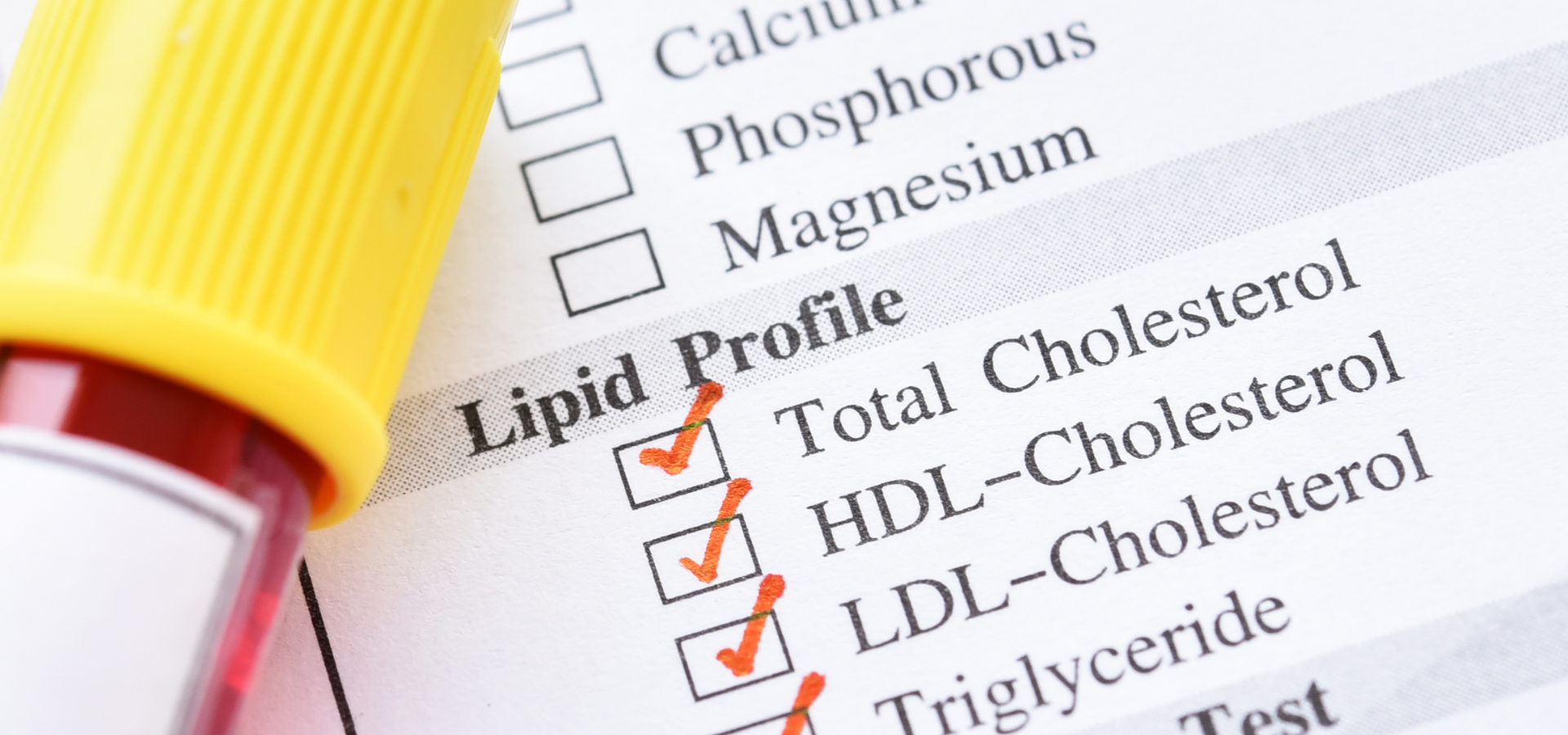
A number alone doesn’t tell the whole story — many factors, like particle number, type, metabolic health, and inflammation, determine actual risk. The key question isn’t just how high your cholesterol is, but why it’s high.
Starting medication without understanding the underlying cause may not help and can sometimes cause side effects — something I feel strongly about, as I see so many people rush into statins unnecessarily.
So let’s unpack the topic of cholesterol and why the numbers alone don’t tell the whole story.
What is Cholesterol and why do we need it?
Cholesterol is a waxy, fat-like substance found in every cell of your body. It has had a terrible PR campaign, but biologically it’s essential. Your body uses cholesterol to make sex hormones like oestrogen, progesterone and testosterone), build cell membranes, support brain function, make vitamin D and produce bile for digestion of fats. The fact that 75% of your cholesterol is made by your liver tells us this is a deliberate, regulated process needed for physiological function.
What are the risk factors of high cholesterol?
Cholesterol becomes a problem when LDL particles circulate in arteries that are already stressed or inflamed — for example due to high blood sugar, smoking, high blood pressure, or chronic inflammation. In this environment, LDL is more likely to become oxidised. Oxidised LDL can stick to the walls of arteries, where it contributes to plaque build-up. Over time, this narrows the arteries and makes them stiffer, increasing the risk of heart attack and stroke.
Why Statins aren’t automatically the solution
Most of us have been told that cholesterol is the problem — and that lowering it automatically reduces heart disease risk. On the surface, that sounds logical.
But cholesterol numbers alone don’t tell the full story. To properly assess cardiovascular risk, we need to look at the metabolic environment in the body — including blood sugar control, insulin sensitivity, inflammation, and how fats like triglycerides are being handled.
Triglycerides and Metabolism: What Drives Cholesterol Up
Fats can’t travel freely in the bloodstream, so the body packages them into lipoproteins — such as VLDL and LDL — to transport them. These particles are mainly made to carry triglycerides - stored energy, from the liver to fat tissue.
When blood sugar is frequently elevated, or insulin resistance is present, the liver is flooded with excess fuel. Much of this is converted into triglycerides. To move them out of the liver, the body produces more VLDL particles.
Cholesterol is an essential component of these lipoproteins. It helps form and stabilise them. So as triglyceride production rises, cholesterol in the blood rises too.
In this context, higher cholesterol is often a marker of metabolic dysfunction, rather than a cholesterol problem in isolation.
Why LDL Cholesterol Numbers don’t tell the Full Story
As VLDL particles deliver triglycerides to fat tissue, they shrink and eventually become LDL.
But here’s the crucial point: Risk is driven more by the number of particles than by how much cholesterol each particle carries.
Each LDL particle can carry varying amounts of cholesterol. Standard LDL-C tests measure the cholesterol content, not the number of LDL particles circulating.
So even if cholesterol levels fall with statin medication, if excess triglycerides are still being produced, the liver may continue to release large numbers of VLDL and LDL particles.
In inflamed or damaged arteries, these particles are more likely to become oxidised, triggering plaque formation and increasing cardiovascular risk.
In other words: lowering cholesterol alone doesn’t automatically remove the risk if the underlying metabolic drivers remain unchanged.
Where statins can be helpful
Statins are useful when high cholesterol is driven by genetics, such as familial hypercholesterolaemia, where the liver is less able to clear LDL particles from the bloodstream, leading to persistently elevated cardiovascular risk even in otherwise metabolically healthy individuals.
They are also commonly indicated for those with established cardiovascular disease (such as a previous heart attack, stroke, or stents), or in cases of very high LDL or ApoB levels that significantly increase risk. In these situations, statins can play an important role in risk reduction and can be used alongside personalised nutritional and lifestyle strategies rather than as a standalone solution.
Markers That Give a Clearer Picture of Risk
Beyond standard cholesterol tests, the following markers are often more informative:
Triglycerides – reflect metabolic load and insulin resistance
ApoB – shows the total number of atherogenic particles (VLDL, LDL, remnants)
ApoB : ApoA1 ratio – balance between harmful and protective lipoproteins
HDL cholesterol – part of the overall metabolic picture
Fasting insulin / HbA1c – insight into insulin resistance
hs-CRP and homocysteine – markers of systemic and vascular inflammation
Blood pressure
These markers help identify if the root cause of high cholesterol is metabolic, genetic or a mix of both.
The Nutritional Therapy approach to cholesterol
I take a whole-body, root-cause approach including:
· Running advanced lipid panels and the above metabolic health markers
Look at underlying thryoid
Supporting a healthy gut and liver detoxification pathways for cholesterol clearance
Improving blood sugar control
Using supplement and functional foods to support cholesterol lowering naturally
Addressing stress management, sleep quality and physical activity·
Confused about your cholesterol results?
If you’ve been flagged for high cholesterol or want a clearer, more personalised picture of your cardiovascular risk, I can help you make sense of it all. Together, we’ll look beyond basic numbers and create a plan that feels informed and achievable. Book a free discovery call to get started.